

Landmarks Illinois urges our Congressional representatives to oppose new federal permitting legislation that would severely weaken protections for cultural and historic places. The Bipartisan American Affordability and Jobs Act of 2026 would gut Section 106 of the National Historic Preservation Act, a process that for 60 years has ensured historic places are considered in consultation with the public before federally owned, funded or permitted projects move forward.
Section 106 is not a roadblock to development and infrastructure projects. It is a structured process for identifying historic resources, hearing from the people who know and care about them, and finding ways to avoid, minimize or mitigate harm before decisions are final. The evidence shows that Section 106 is not a widespread source of permitting delays or litigation. The National Trust for Historic Preservation reports that the nationwide average for project reviews takes just 16 days.
Landmarks Illinois has witnessed firsthand how Section 106 leads to meaningful outcomes for historic places across the state. Some examples include:
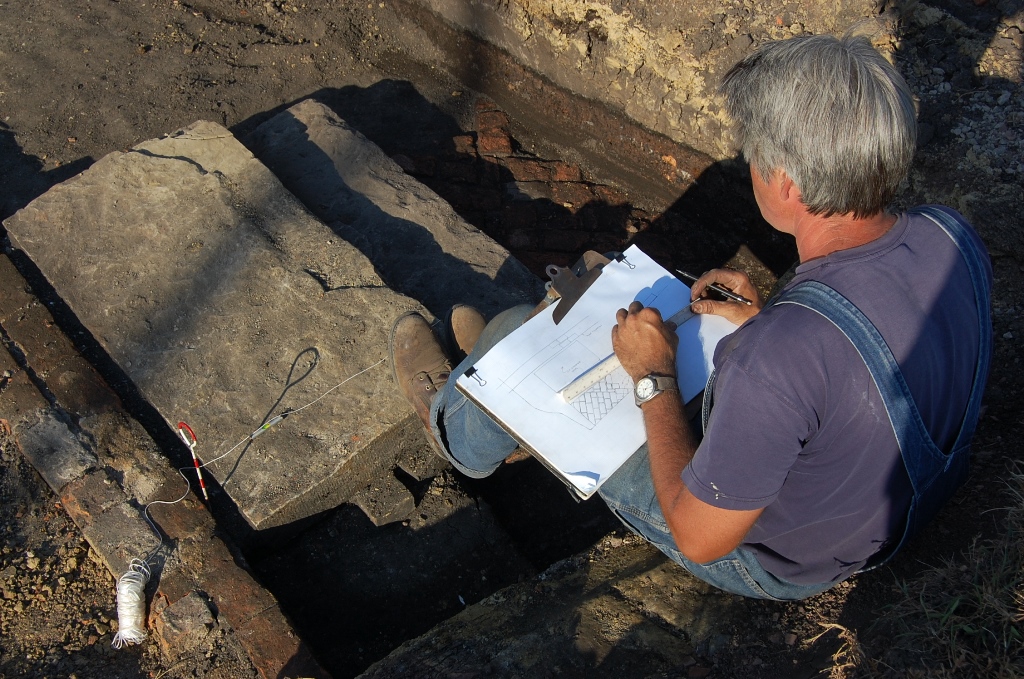
- The 1908 Springfield Race Riot Site (Springfield): After this archaeological site was discovered during a federally funded rail project, Section 106 required a pause for evaluation and community input. The process empowered local stakeholders to negotiate a track realignment that preserved the site in place. The site was then designated a National Monument in 2024. Under the proposed bill’s narrowed requirements, no review would have been required, and this National Monument would likely have been destroyed.
- The Chicago Transit Authority Red and Purple Modernization Program (Chicago): The busiest line in the CTA system, the North Red Line was in need of serious repair after more than 100 years of service. Consultation allowed the massive, federally funded modernization project to proceed while minimizing adverse impacts to historic properties including the National Register of Historic Places-eligible North Red Line itself and resources along its route. Proactive consultation, which will no longer be required under the proposed bill, was key to positive outcomes.
- Fort Sheridan (Lake County): When the Department of Defense proposed to close the Fort Sheridan garrison, a National Historic Landmark District, consultation redirected the development of the site toward a master renovation and adaptive reuse plan that included converting historic buildings into new housing and turning over open space to the management of the Lake County Forest Preserve District. The Department of Defense was able to successfully offload the base with the best outcome for the public interest, which would not have happened without consultation.
Rather than improve a process that balances development and historic preservation, the newly proposed legislation, S. 5653, would dismantle critical safeguards. Specifically, it would:
- Put historic places at risk: It dramatically increases the likelihood that irreplaceable sites will be destroyed or seriously harmed.
- Leave resources defenseless: Narrower definitions and new exclusions would allow many projects to move forward without any consideration for the impacts on both designated landmarks and places of significance not yet formally documented.
- Shut people out: Communities across the country would lose the ability to influence local projects as the bill would eliminate consulting party status for local preservation groups, property owners and others.
- Reduce review to a desktop exercise: Removes requirements for proactive surveys, putting archaeological resources, sacred sites and locally important places at risk of being overlooked if they are not already listed in federal databases.
- Remove independent oversight: Makes the agency promoting a project the sole judge of its impact on historic places, allowing federal officials to bypass preservation obligations entirely.
- Eliminate accountability: Limits on judicial review and available remedies would make it incredibly difficult to challenge federal decisions that fail to comply with the law.
- Shift the blame for delays: The legislation imposes strict deadlines and penalties on state preservation offices while exempting the federal agencies that control the project timeline.
Landmarks Illinois calls on the Illinois Congressional delegation to reject the proposed gutting of Section 106. Proposing amendments to this legislation is not sufficient: the bill must be summarily rejected with prejudice.
Alternatively, stakeholders must be given a seat at the table to find common sense solutions that will improve the Section 106 process while protecting historic places and maintaining the public’s role in federal decision-making. As a starting point, the National Conference of State Historic Preservation Officers (NCSHPO) has published 10 Recommendations for Efficient and Effective Federal Review, outlining practical ways to make Section 106 more efficient and predictable without sacrificing meaningful consultation. After the Bipartisan American Affordability and Jobs Act of 2026 is defeated, Congress should work with federal agencies, SHPOs, THPOs, Tribal Nations, local governments and the preservation community to advance these solutions.
Take Action Now!
Contact your Senators and U.S. Representative and urge them to protect Section 106.
- Call the U.S. Capitol Switchboard: (202) 224-3121. Ask to be connected to their offices.
- Deliver this message: “Reject and oppose the gutting of Section 106 in the Bipartisan American Affordability and Jobs Act of 2026. Protect historic and cultural resources by preserving meaningful public participation, consultation and accountability in federal project review.”
- Follow up in writing: Enter your address on this webpage to find your U.S. Senators and Representatives. Follow the “contact” links to your lawmakers’ official congressional websites to write to them, urging them to reject this legislation and to instead pursue collaborative permitting reform. Use the template below or write about your own experiences with Section 106.
(Pictured: 1908 Race Riot steps. Courtesy Fever River Research.)
